Legends Lost, Lessons Learned
The 27 Club & Addiction
Exploring the lives, legacies, and struggles of the iconic artists, musicians, and creators who left us too soon.
Fame and creativity often come with unseen battles.
At Never Alone Recovery, we honor these stories while offering hope and support for those still fighting.
The term "27 Club" was coined to describe the eerie pattern of iconic artists', musicians', and creators' lives tragically ending at just 27 years old.
While statistical analyses have debunked the idea of a higher mortality rate at this specific age, the legacy of the 27 Club endures, highlighting the challenges of fame, mental health, and addiction.
27 Club x Addiction: Main Members
While the club encompasses a range of causes—accidents, illnesses, and even violence—many of its most recognized members faced struggles with substance use and mental health.
This branch of the 27 Club highlights a pattern tied to the pressures of fame, addiction, and untreated mental health issues. Below, we honor the legacies of seven artists whose stories continue to resonate deeply and remind us of the importance of support and recovery.
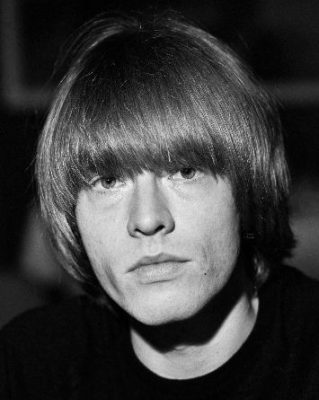
Brian Jones
As the founder and original leader of The Rolling Stones, Brian Jones was a multi-instrumentalist whose innovative musical vision shaped the band's early success. Known for incorporating diverse instruments like the sitar and mellotron into rock music, Jones stood out as a creative force in the 1960s.
Despite his musical genius, he struggled with substance abuse and mounting tensions within the band, eventually leading to his departure in 1969. Just weeks after leaving, Jones was found dead in his swimming pool, with his death ruled as "death by misadventure." His passing marked the first major loss in what would later be identified as the 27 Club, cementing his place as a symbol of fame’s highs and lows.
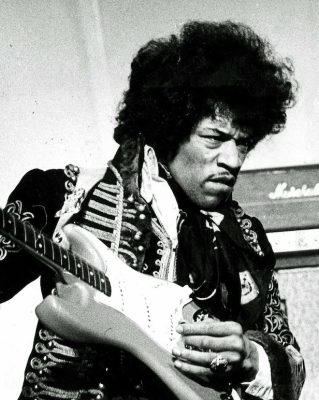
Jimi Hendrix
Widely regarded as one of the greatest guitarists of all time, Jimi Hendrix revolutionized rock music with his innovative techniques and electrifying performances. From his groundbreaking rendition of “The Star-Spangled Banner” to hits like "Purple Haze" and "All Along the Watchtower," Hendrix’s contributions to music remain unparalleled.
However, his meteoric rise to fame came with intense pressure, and he struggled with drug use throughout his career. Hendrix tragically died in London from asphyxiation caused by an overdose of sleeping pills, leaving the world stunned at the loss of such an unparalleled talent. His music and persona continue to inspire generations, representing both the brilliance and fragility of creative genius.
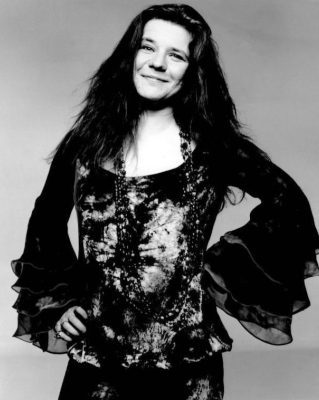
Janis Joplin
With her raspy voice and unparalleled emotional intensity, Janis Joplin became a defining voice of the late 1960s counterculture. Known for hits like “Piece of My Heart” and “Me and Bobby McGee,” Joplin’s raw and soulful performances captivated audiences worldwide.
Despite her fame, Joplin was open about her struggles with loneliness, insecurity, and substance abuse. Her battle with heroin addiction ultimately led to her death from an overdose at the age of 27. Joplin’s unique voice and fearless individuality continue to resonate, making her a lasting symbol of the tumultuous yet transformative spirit of her generation.
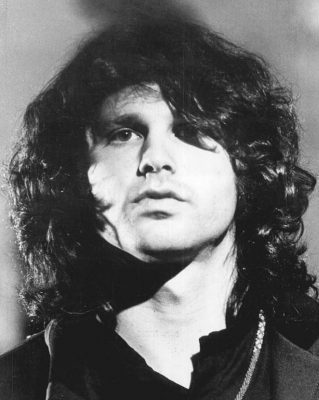
Jim Morrison
Charismatic, enigmatic, and poetically gifted, Jim Morrison led The Doors to international fame with hits like "Light My Fire" and "Riders on the Storm." As a frontman, he was both a cultural icon and a lightning rod for controversy, pushing the boundaries of performance and artistic expression.
Offstage, Morrison wrestled with heavy drinking and drug use, which fueled his creativity but also took a toll on his health. Morrison died in his Paris apartment, with the cause of death officially listed as heart failure, though no autopsy was performed. His legacy endures as a haunting reminder of the price of living life on the edge.
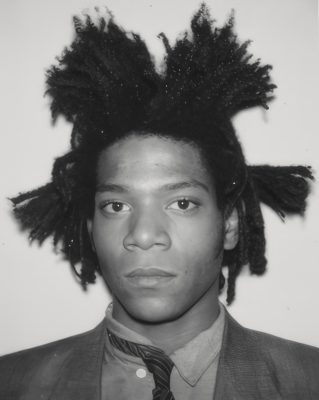
Jean-Michel Basquiat
From the streets of New York to the high-art world, Jean-Michel Basquiat’s meteoric rise as a neo-expressionist artist was nothing short of revolutionary. Basquiat’s work explored themes of identity, race, and societal inequality, often drawing from his Haitian and Puerto Rican heritage. Collaborating with artists like Andy Warhol, he broke barriers and brought graffiti-inspired art into the mainstream.
Despite his success, Basquiat struggled with heroin addiction, which worsened after Warhol’s death. He died from an overdose in 1988, leaving behind a legacy of innovation and a body of work that continues to command record-breaking auction prices.
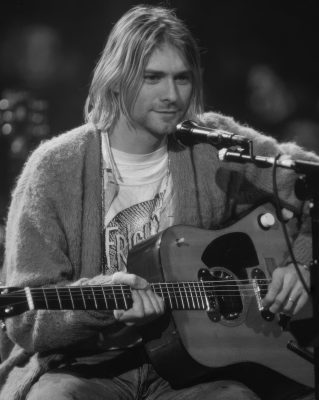
Kurt Cobain
Hailed as the voice of Generation X, Kurt Cobain rose to fame as the frontman of Nirvana, the groundbreaking grunge band that defined the early 1990s. Tracks like "Smells Like Teen Spirit" and "Come As You Are" became anthems of a disenchanted youth, while Cobain’s introspective lyrics offered a window into his struggles with depression, chronic pain, and addiction.
Cobain often spoke about the pressures of fame and his discomfort with the spotlight. In 1994, he died by suicide at his Seattle home, shocking the world and cementing his place in the tragic legacy of the 27 Club. Today, Cobain remains an icon of artistic brilliance and vulnerability.
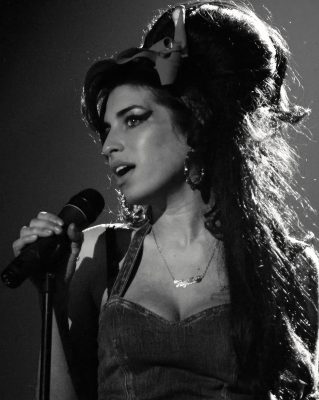
Amy Winehouse
Amy Winehouse’s voice was like no other—a blend of jazz, soul, and raw emotion that captivated audiences globally. Known for hits like “Rehab” and “Back to Black,” Winehouse’s music was deeply personal, reflecting her struggles with love, identity, and addiction.
Despite her incredible talent, she faced relentless media scrutiny that often focused on her personal struggles rather than her artistry. After years of battling alcohol dependency, Winehouse died from alcohol poisoning in 2011. Her short yet impactful career serves as a reminder of the delicate balance between creative genius and personal hardship.
Additional Members
While the most recognized members of the 27 Club have become cultural icons, the phenomenon extends far beyond these household names.
Many talented individuals from diverse creative fields and industries have faced similar struggles, losing their lives to addiction, mental health challenges, and the pressures of fame.
Here are a few more names among the many whose stories deserve remembrance.
Kristen Pfaff
Bassist for the band Hole, Pfaff was a rising star in the alternative rock scene. She died of a heroin overdose.
Jeremy Ward
Sound manipulator for The Mars Volta, Ward contributed to the band's experimental sound. He died of a heroin overdose.
Brian Ottoson
Guitarist for American Head Charge, Ottoson was known for his energetic performances. He died of a prescription drug overdose.
Dash Snow
An artist and socialite, Snow was part of New York's contemporary art scene. He died of a heroin overdose.
Tyler Skaggs
A professional baseball pitcher, Skaggs played for the Los Angeles Angels. He died from a combination of alcohol, fentanyl, and oxycodone.
Examing Self-Destruction & the High Cost of Substance Abuse
The 27 Club underscores the vulnerabilities that accompany fame, particularly concerning mental health and substance abuse. The pressures of public life, combined with personal struggles, can lead to tragic outcomes. These stories highlight the importance of seeking support and the need for accessible mental health and addiction services.
If you or someone you know is struggling with addiction or mental health issues, Never Alone Recovery offers free recovery consulting, personalized assessments, and assistance with insurance verifications. Reach out for a confidential consultation and take the first step toward recovery.
You can also follow us on social media for more 27 Club content as well as other valuable resources.